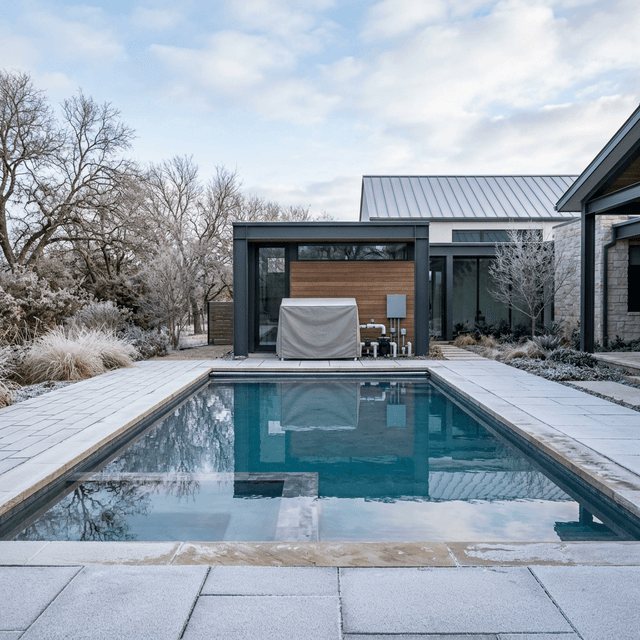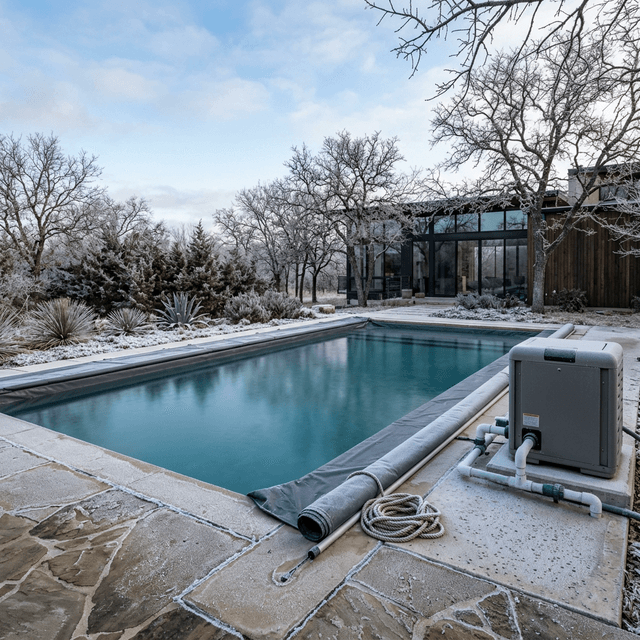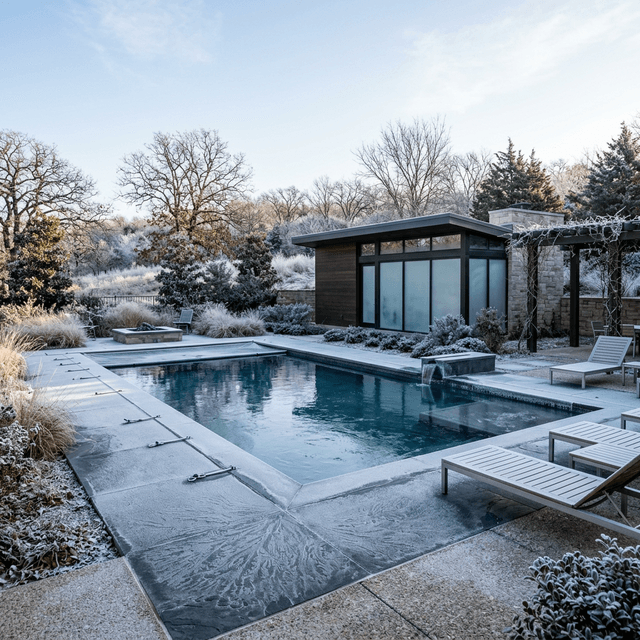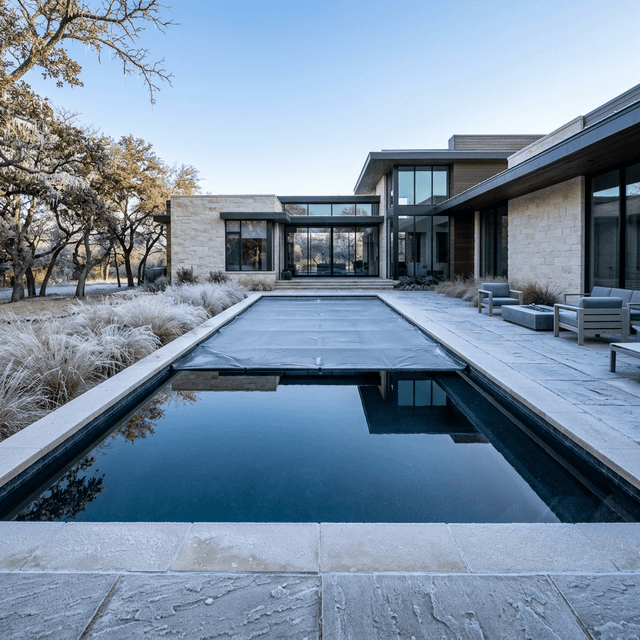
North Texas freeze events happen almost every winter, and they can wreak havoc on pool equipment if you're not prepared. The problem isn't always visible immediately. Some damage develops slowly, leading to expensive repairs later in the season. That's why conducting a thorough post-freeze inspection is one of the smartest things you can do as a DFW homeowner.
Why Post-Freeze Inspections Matter
When temperatures drop below freezing, water expands in pipes and equipment. This expansion can crack components, damage seals, and create internal corrosion that won't show up until the system is running again. The longer you wait to inspect, the more damage can develop—especially if you try to operate compromised equipment.
A proper inspection now takes 30 minutes but can save you thousands in repairs later.
Check All Exposed Plumbing and Valves
Start outside, where you can visually inspect pipes and connections.
What to look for:
- Cracks or splits in exposed PVC pipes
- Frost heave damage (pipes pushed upward or shifted)
- Disconnected hoses or fittings
- Leaks at valve connections
- Cracked or damaged pool return lines
Pay special attention to any pipes that weren't properly buried or insulated. North Texas freeze temperatures often reach 15-20°F, which is cold enough to damage unprotected plumbing. If you notice cracks, don't run your pump yet—call a professional before operating the system.
Inspect Your Pump
Your pump is vulnerable to freeze damage, especially if it wasn't properly drained or protected.
Steps to check your pump:
- Look for visible cracks in the pump housing
- Check that the pump is sitting level and hasn't shifted
- Inspect all connection points for leaks
- Don't start the pump yet—listen first for unusual grinding or rattling sounds when the equipment is powered on
- Verify that the pump drain plug is secure and hasn't been pushed out
If you hear strange noises or see leaks when you first turn on the system, shut it down immediately and contact a professional.
Filter System Examination
Your filter endured the freeze too, and it may need attention before you can safely operate it.
For cartridge filters:
- Check the housing for cracks
- Inspect the drain plug for leaks or damage
- Ensure the pressure gauge is still secure
For sand filters:
- Look at the tank for any cracks or damage
- Check the multiport valve for proper alignment
- Verify the drain is closed and secure
For DE filters:
- Inspect the tank exterior for stress cracks
- Check all connection points
If your filter shows signs of stress, backwashing or running it under pressure could cause more damage. Let a professional evaluate it first.
Heater Inspection
If you have a gas or electric heater, freeze damage can be costly. This is one area where calling a professional might be worth it.
What you should check:
- Look for cracks in the heater cabinet
- Verify that water lines to the heater aren't frozen or cracked
- Check that the heater's drain plugs are intact
- Look for water pooling around the heater base (sign of internal damage)
Important: Don't run your heater until you've confirmed the water line to it is clear and properly filled. Running a heater with insufficient water flow causes internal corrosion and serious damage. If your heater was completely drained before the freeze, you'll need to refill the system carefully and may need professional inspection before operating it.
Automation and Salt System Check
If you have an automated chlorine generator (salt cell), freeze damage is a real risk.
Check your salt cell:
- Look at the cell for visible cracks
- Verify the cell housing is secure
- Check that electrical connections are dry and undamaged
- Don't run the system until you've confirmed there's no internal freeze damage
For automation systems:
- Check that all sensors are in place and functioning
- Verify that any outdoor control boxes weren't damaged by ice or shifting pipes
- Test the system manually before relying on automation
Water Level and Appearance
Now look at the water itself.
What to observe:
- Is the water level where it should be? Freezing can push water out of the pool
- Is there visible ice damage around the edges or on the pool surface?
- Does the water appear cloudy, discolored, or unusual in any way?
- Are there cracks in the pool walls or floor (usually visible as black lines)?
If you notice significant water level drops, cracks, or severe cloudiness, you may have structural damage that needs professional evaluation before you resume normal operation.
Rebalance Water Chemistry
Even if everything looks fine physically, your water chemistry has likely been affected.
Steps to rebalance:
- Test pH, alkalinity, chlorine, and calcium hardness using a reliable test kit — pick one up at our Northlake pool supply store or order online
- Never add chemicals without testing first
- Adjust alkalinity and pH before adding other chemicals
- Re-chlorinate if levels are low
- Test again after 24 hours
Cold weather can affect how chemicals react in water, so test again even if you added chemicals before the freeze. Temperature swings can create imbalances that aren't obvious until the water warms up again.
When to Call a Professional
You should contact a pool professional if you notice:
- Visible cracks in any equipment or plumbing
- Water leaking from pipes or equipment
- Your pump making unusual noises
- Your heater showing signs of damage
- The pool structure showing cracks or damage
- Uncertainty about whether it's safe to operate any equipment
In the DFW area, freeze events are common enough that most pool companies prioritize post-freeze inspections. Getting ahead of the damage now is far cheaper than emergency repairs in March.
Getting Your Pool Ready for Spring
Once you've completed this inspection and everything checks out, you're on the right track. Focus on maintaining water chemistry through the rest of winter and gradually prepare for spring opening. If you want to be better prepared next year, read our guides on pool closing and winterization in Texas and protecting your salt cell in cold weather.
If you need professional guidance evaluating post-freeze damage or want a comprehensive inspection, Simplified Pools offers thorough pool assessments and winterization services throughout North Texas. We can identify damage you might miss and help you protect your investment.
Ready to protect your pool? Contact Simplified Pools for a post-freeze inspection today. Stock up on test kits, chemicals, and winter pool supplies at our online store, or call us at (469) 455-1054.